What is a Kitchen Table and its Importance in Home Life?
The kitchen table holds a unique place in home life. It often serves as a gathering spot for families and friends. Whether it’s busy breakfasts or intimate dinners, this essential piece furniture plays a vital role in daily interactions.
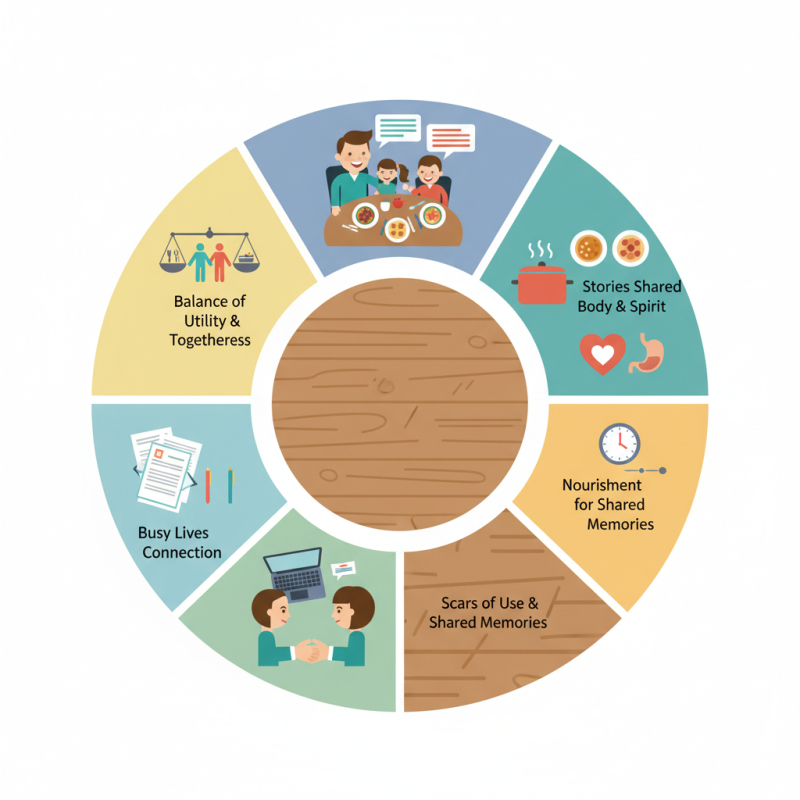
Around the kitchen table, stories are shared and laughter resonates. Children discuss their day while parents lend an ear. Meals are cooked and served, nourishing both body and spirit. In some homes, this table carries scars from years of use. Each scratch tells a story, reminding us of moments shared and experiences lived.
Yet, the kitchen table can reflect our busy lives. Sometimes, it's cluttered with bills and unfinished projects. This clutter can be overwhelming, pushing us to ask if we're truly connecting. True importance lies in the balance of utility and togetherness. The kitchen table stands not just for meals, but as a foundation for relationships.
Definition of a Kitchen Table and Its Key Features
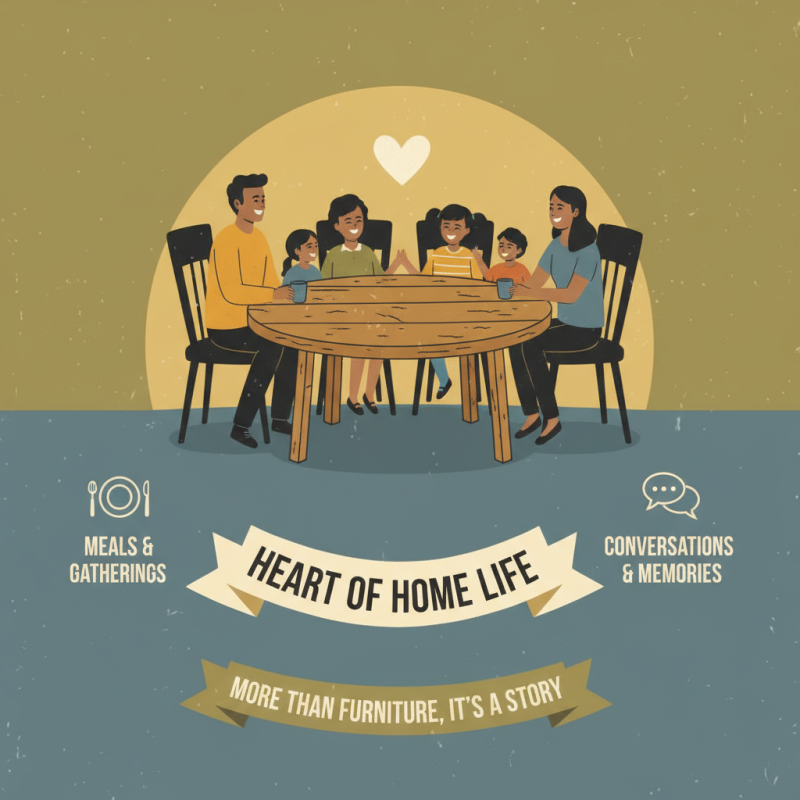
A kitchen table serves more than just a functional purpose. It embodies the heart of home life, where family gathers. The table is often the focal point of the kitchen. Its presence brings people together for meals, conversations, and everyday activities. A sturdy wooden table may have scratches and dents from years of use but tells a story.
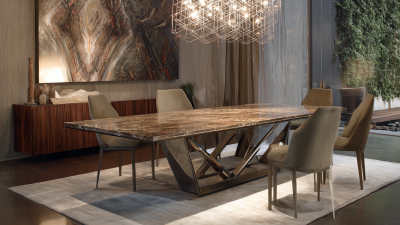
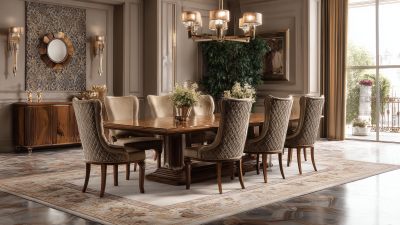
Key features of a kitchen table include its size and shape. Round tables promote intimate gatherings, while rectangular ones accommodate larger groups. The height should be comfortable for seated meals. A well-chosen table enhances the kitchen’s aesthetics and functionality. However, while choosing, some may overlook practicality. A beautiful table without enough surface area can lead to clutter.
Beyond aesthetics, a kitchen table should be inviting. It should make people feel at home, even when things are messy. Time spent there may not always be perfect. There might be heated discussions or spilled drinks, yet these moments matter. A kitchen table is a space of learning and laughter. Even in chaos, it remains a cornerstone of family life.
Historical Significance of Kitchen Tables in Domestic Spaces
The kitchen table has long been a cornerstone of domestic life. It is much more than just a piece of furniture. For centuries, it has held countless family dinners and celebrations. Many memories are etched into the wood of these tables. They have witnessed laughter, tears, and everything in between.
Historically, kitchens served as the heart of the home. The kitchen table was often the only place for family members to gather. In earlier times, it was essential for meal preparation and shared eating. This space fostered connections, offering a sense of belonging. However, not every family shared this idyllic picture. Some tables were sites of conflict and discomfort.
The significance of the kitchen table extends beyond physical space. It embodies the essence of family dynamics. As times have changed, its role has evolved. The kitchen table now finds itself competing with technology and busy schedules. Despite this, many still seek comfort in its presence. It stands as a reminder of simpler times and shared experiences. The kitchen table invites us to pause and reflect on our relationships.
Social and Cultural Functions of Kitchen Tables in Family Life
The kitchen table serves as an important gathering point for families.
It is more than just a piece of furniture; it hosts countless memories and interactions.
Meals shared here are filled with laughter, discussions, and sometimes disagreements.
Picture a family sitting together, enjoying a homemade meal. The aroma of food fills the air, and everyone shares stories from their day.
Yet, not every moment is perfect. Tensions can rise over differing opinions, revealing cracks in relationships.
Culturally, the kitchen table reflects traditions.
Some families celebrate holidays with specific dishes, creating a sense of belonging.
A table can become a canvas for cultural expressions, with meals that tell stories of heritage.
However, the pressure to honor these traditions can weigh heavily.
Not everyone may connect with them, leading to feelings of disconnection.
The dynamics around the kitchen table also highlight social norms.
Children learn etiquette and communication skills here, but they also witness conflicts, teaching them valuable lessons.
Practical Uses of Kitchen Tables Beyond Dining
The kitchen table is often seen as just a place for meals. However, its role extends far beyond dining. A recent report from the American Association of Interior Designers shows that 70% of families use their kitchen tables for activities other than eating. This includes homework, crafts, and even remote work. Families gather around these tables for meaningful interactions. It's a central hub for creativity and communication.
For many, the kitchen table serves as a workspace. In a survey by the National Home Builders Association, 60% of respondents stated they prefer working from home at their kitchen table. It's a place where ideas flourish and projects come to life. But not all families utilize this space effectively. Disorganization can stifle productivity and creativity. Papers pile up, and activities overlap, making it a source of stress rather than inspiration. Reflecting on the purpose of this space can help restore its value.
Moreover, the kitchen table can foster connections. It’s where family members share their day and celebrate successes. However, distractions can derail these moments. Phone notifications and TV shows often interrupt conversations. Cultivating an environment that prioritizes connection can enhance the experience around the table. Acknowledge the challenges, and remember, the kitchen table holds the potential for both productivity and togetherness.
Importance of Kitchen Tables in Home Life
Impact of Kitchen Tables on Home Design and Atmosphere
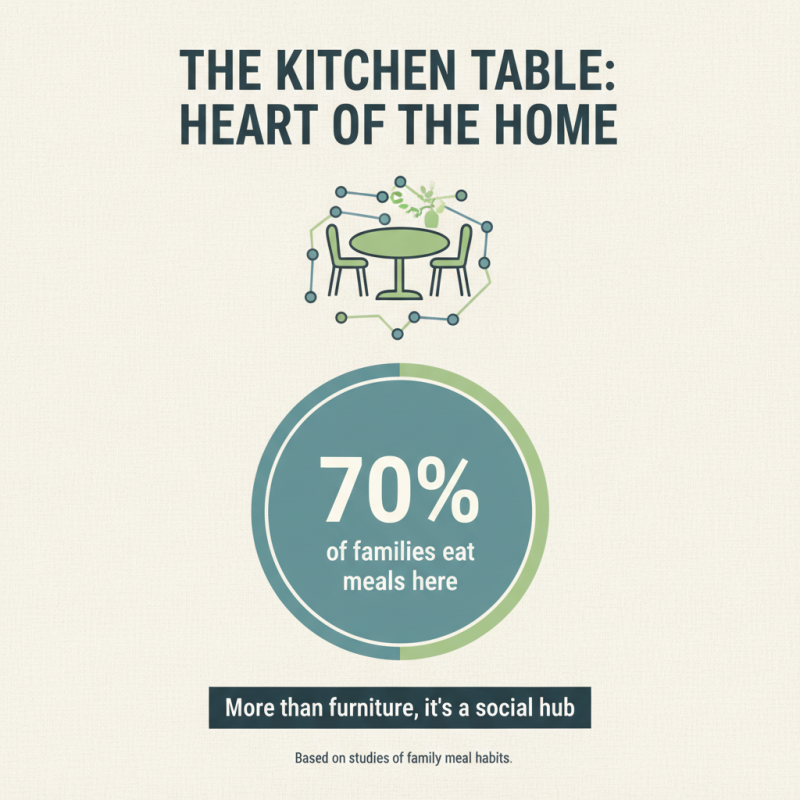
The kitchen table holds a special place in home design and atmosphere. It is often the heart of family gatherings and daily interactions. Studies indicate that 70% of families eat most of their meals at a kitchen table. This statistic highlights its role as a functional and social hub.
In terms of home design, a kitchen table can dictate the room's layout. A large, central table encourages movement and communication. It invites people to sit and share, creating a warm atmosphere. On the other hand, a small or poorly placed table can make a space feel cramped and disconnected. The right table not only provides utility but also enhances the emotional tone of the home.
The aesthetics of the table also contribute to overall ambiance. A well-chosen design can elevate a kitchen, making it feel welcoming. Colors and materials play a critical role. For example, wooden tables bring warmth, while metal ones add a modern touch. However, clashing styles can make the room feel disjointed. Reflecting on the table's design and placement can lead to an improved atmosphere and greater satisfaction in the home.