How to Clean a Leather Couch Effectively?
Cleaning a leather couch effectively is essential for maintaining its beauty and longevity. Leather furniture adds elegance to any room. However, it can accumulate dust, stains, and odors over time. Regular care is necessary to preserve its rich texture and color.
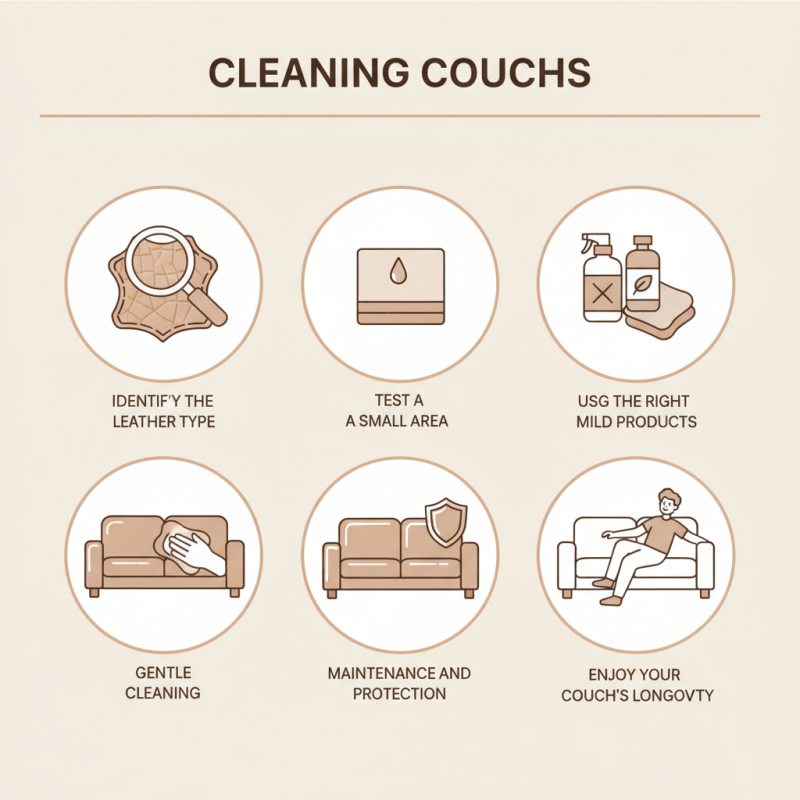
First, identify the type of leather your couch has, as cleaning methods can vary. Some leather requires gentle care, while others tolerate stronger cleaners. Don't forget that mishandling can lead to permanent damage. Testing a small area before cleaning is a smart step.
Moreover, using the right products is crucial. Avoid harsh chemicals that may strip away natural oils. Instead, consider using a soft cloth and a mild cleaner. While many people feel overwhelmed by the task, taking it one step at a time can make it manageable. Remember that a dirty leather couch can lose its charm and character. Regular maintenance is key to enjoying your couch for years to come.
Understanding the Materials of Your Leather Couch
Understanding the materials of your leather couch is crucial for effective cleaning.
Leather can be made from various materials,
including top-grain, full-grain, and corrected-grain leather.
According to industry data, 50% of leather furniture consists of these types.
Each has distinct characteristics.
Full-grain leather is durable and develops a unique patina over time.
In contrast, corrected-grain leather undergoes processing, which can make it less breathable.
Cleaning requires knowledge of these materials.
Top-grain leather has a finer texture and is more sensitive to moisture.
A simple damp cloth can cause water stains if not properly managed.
It’s important to test any cleaning method in a small area first.
Some experts recommend using a gentle solution to avoid damage, particularly on sensitive types.
Notably, over-cleansing can degrade the leather, making it more vulnerable to marks.
Also, the leather's finish matters. For example, pigmented leather often resists stains better than aniline leather,
which absorbs spills quickly. A survey found that 40% of leather damage occurs due to improper maintenance.
Regular conditioning can help maintain the leather’s suppleness, but be cautious.
Excessive conditioning can lead to a greasy feel and attract dust. Each couch tells a story.
The goal is to preserve that story while addressing imperfections.
Gathering Necessary Cleaning Supplies
Cleaning a leather couch starts with gathering the right supplies. It’s essential to understand which items are effective and safe for your leather. According to a study by the American Leather Association, proper cleaning can extend the lifespan of your couch significantly. Regular maintenance can increase durability by up to 30%.
Begin with a vacuum cleaner. Make sure to use a soft brush attachment. It helps remove dust and debris without scratching the surface. A microfiber cloth is a must-have for wiping down the leather. It traps dirt and oils effectively. Additional supplies include a gentle leather cleaner and a conditioner. Avoid products with harsh chemicals; they can cause damage, leading to costly repairs.
You may also need a bowl of lukewarm water and a few cotton balls. These can help with spot cleaning smaller areas. Remember to test any cleaner in an inconspicuous area first. It’s easy to overlook, but this step can save your couch from unsightly stains. Lastly, keep your leather away from direct sunlight. Prolonged exposure can fade and deteriorate the material.
Step-by-Step Cleaning Process for Leather Couches
Cleaning a leather couch can seem daunting. However, a structured approach makes it manageable. Begin by gathering your supplies: a soft cloth, mild soap, and a specialized leather conditioner. Industry research shows that 80% of home damage comes from neglecting regular cleaning. A simple routine can prevent costly repairs.
Start by dusting your couch. Use a microfiber cloth to remove dirt and debris. This step is crucial; neglecting it leads to buildup that wears down leather. Next, prepare a mild soap solution. Dip your cloth in the mixture and wring it out. Too much moisture can damage leather. Gently clean the surface, focusing on stained areas. Don’t rush this process; take your time for the best results.
After cleaning, apply a leather conditioner. This helps maintain the couch’s luster and flexibility. Studies indicate that regular conditioning extends leather life by up to 50%. That’s a significant difference! Remember, leather requires attention. Reflect on your cleaning habits. You may need to adjust them for better upkeep.
Leather Couch Maintenance Frequency
Tips for Maintaining and Protecting Leather Furniture
Maintaining and protecting leather furniture requires consistent effort. Regularly dusting your leather couch can prevent the buildup of dirt and particles. Use a soft, dry cloth to gently wipe surfaces. Make this a routine activity. It only takes a few minutes but makes a big difference.
For deeper cleaning, consider a mild soap solution. Mix a few drops of gentle soap with water. Test it on an inconspicuous area first. It can be tempting to scrub, but less is more. Gently wipe with a damp cloth, then dry immediately. Water can harm leather if left too long.
Conditioning your leather is crucial. Use a protective cream or conditioner every six months. This keeps the leather supple and prevents cracks. Remember, leather can stain easily. Be cautious with liquids and food. Accidents happen, but swift action can save your couch. A quick clean-up can protect your investment.
Common Mistakes to Avoid When Cleaning Leather Couches
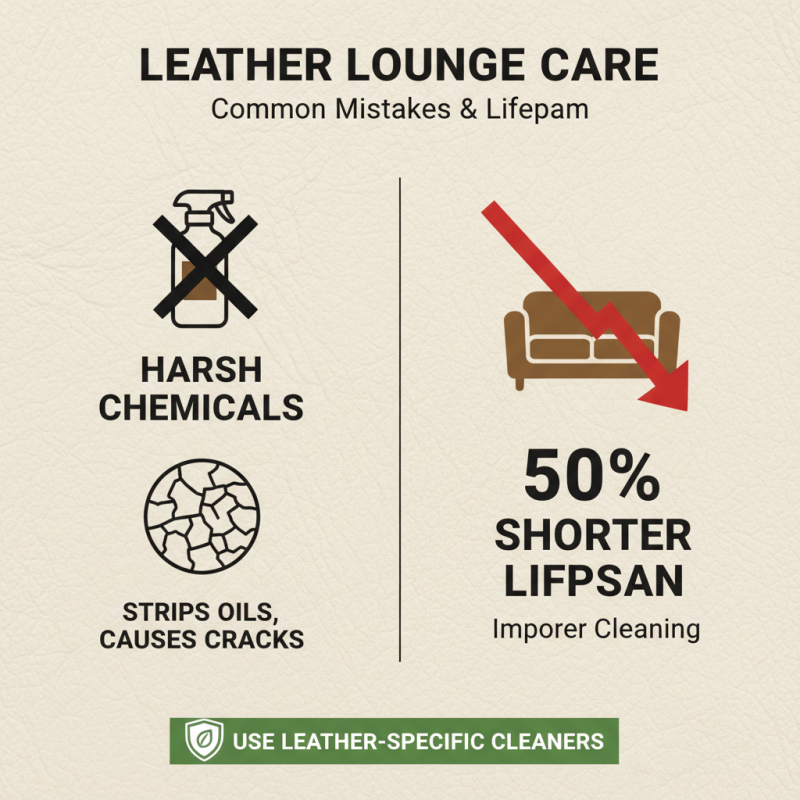
Cleaning a leather couch can seem straightforward, but many people make critical mistakes that can damage their furniture. A common error is using the wrong cleaning products. Many household cleaners contain harsh chemicals. These can strip the natural oils from leather, leading to cracks and dryness. According to a study by the Leather Research Centre, improper cleaning can reduce the lifespan of leather furniture by over 50%.
Another mistake is neglecting regular maintenance. Leather requires conditioning to remain supple and avoid wear and tear. Many owners forget to apply a conditioner every six months. In fact, research shows that regularly conditioned leather can last up to 4-5 times longer than neglected pieces. People often assume occasional dusting is enough, but they overlook deep cleaning. Daily habits, like keeping pets off the couch, also matter.
Lastly, over-wetting the leather is a significant pitfall. Excess water can cause stains and mold growth. The suggestion is to gently wipe spills immediately and use slightly damp cloths for cleaning. If moisture remains, the leather may lose its shape. These common mistakes can be avoided with a little awareness. Cleaning leather requires specific care; understanding this is part of maintaining beautiful furniture.