Top Door Hinge Innovations to Explore at 2026 Canton Fair?
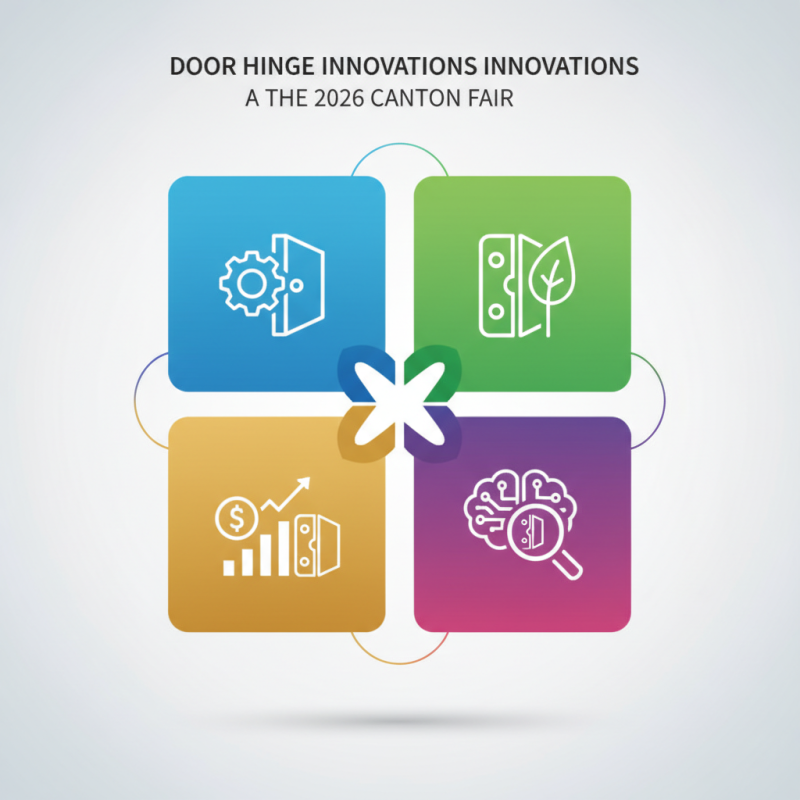
The upcoming 2026 Canton Fair promises to be a remarkable event for the Door Hinge industry. As the world's largest trade fair, it will showcase innovations that could reshape market dynamics. With a focus on advanced manufacturing, the fair highlights the significance of technological integration in door hinge design. Key trends indicate a growing demand for durable and aesthetically pleasing hinges, driven by the construction and furniture sectors.
According to recent industry reports, the global door hinge market is set to reach USD 2.1 billion by 2026, growing at a CAGR of 5.4%. This growth reflects evolving consumer preferences for high-quality and functional hardware. The integration of AI technology at the fair enhances the search for qualified suppliers, ensuring procurement professionals find the best door hinge options. This efficiency aids in addressing challenges in the market.
However, amidst innovation, it’s crucial to evaluate the sustainability of new materials used in hinges. The industry faces pressure to adopt eco-friendly practices. Exploring these themes at the Canton Fair will be essential for companies seeking to remain competitive while being mindful of their environmental impact. Embracing these innovations can drive growth, but reflection on the industry's future is paramount.
Top Innovations in Door Hinge Materials for Durability and Performance
The 2026 Canton Fair promises groundbreaking innovations in door hinge materials. Increasing demand for durability drives research into advanced composites and metals. Recent industry reports indicate that high-performance hinges now utilize materials like titanium and reinforced polymers. These materials enhance resistance to corrosion and wear, vital for long-lasting performance.
Statistics reveal that over 30% of hinge failures stem from material weaknesses. Designers are now focused on achieving optimal balance between weight and strength. Innovations featuring lightweight alloys can significantly reduce fatigue under heavy loads. Engineers report that hinges crafted from innovative materials may last up to twice as long in real-world applications.
Not all advancements are flawless. Some users express concerns about high costs associated with these new materials. Finding economical solutions remains a challenge for manufacturers. Additionally, the environmental impact of sourcing these materials invites scrutiny. As the industry evolves, stakeholders must address these vital issues, ensuring that innovation does not compromise sustainability.
Trends in Smart Door Hinge Technology: Features and Specifications
The 2026 Canton Fair is expected to showcase several groundbreaking innovations in door hinge technology. One key trend is the shift towards smart door hinges that enhance security and convenience. These hinges often come equipped with sensors that detect motion. They can alert homeowners if an intruder attempts to enter.
In addition, features like remote access through smartphones are becoming more common. Users can unlock their doors from anywhere, adding a layer of convenience. However, as technology evolves, it’s essential to consider potential vulnerabilities. Smart systems may face hacking attempts, leading to security risks.
Another area of focus is energy efficiency. New hinges can be designed to improve insulation, reducing energy costs. They minimize heat loss during cold seasons. Yet, the balance between innovation and practicality remains a challenge. Advancements must not compromise durability or ease of installation. The evolution of door hinge technology presents exciting possibilities, yet careful thought and design must accompany these changes.
Sustainability in Door Hinge Manufacturing: Eco-Friendly Materials and Methods
Sustainability is reshaping the door hinge industry. Manufacturers are increasingly using eco-friendly materials. Biodegradable plastics and recycled metals are gaining attention. These materials reduce environmental impact. They offer durability while maintaining performance standards. The shift benefits manufacturers and consumers alike.
Methods of production are evolving as well. 3D printing allows for precise designs with less waste. This technology enables the creation of lightweight hinges that save resources. However, there are challenges. The initial investment in sustainable materials can be high. Not all manufacturers may afford these changes.
Consumer awareness plays a role in this shift. Many homeowners seek greener options for their renovations. Yet, some still prioritize cost over sustainability. This creates a tension in the market. Balancing affordability and environmental responsibility is crucial. As the 2026 Canton Fair approaches, innovations will push this discussion forward.
Market Analysis: Growth Projections for Door Hinge Innovations by 2026
The door hinge market is evolving with new innovations projected to reshape the industry by 2026. A recent market report anticipates a compound annual growth rate (CAGR) of 5.2% in the door hinge sector from 2021 to 2026. This growth is driven by increasing demand for smart home solutions and energy-efficient designs. Innovations like self-closing hinges and those integrated with smart technology are gaining traction.
Tips: Consider how user preferences are changing. Many consumers prioritize aesthetics and functionality. Hinge manufacturers should explore materials like brushed steel or advanced polymers to appeal to modern tastes.
Additionally, sustainability is a key trend, with energy-efficient designs rising in importance. Eco-friendly materials can enhance marketability. The challenge, however, lies in balancing cost and sustainability. Companies must reflect on their supply chains to ensure they meet consumer expectations without sacrificing quality or affordability. As the market evolves, keeping a pulse on these trends is essential for success.
Comparative Study of Traditional vs. Advanced Door Hinge Designs and Functionality
When examining traditional door hinges, we see a straightforward design. They typically feature two plates with a pin in the middle. This simple structure allows for basic door movement. However, maintenance is often required. Rust and wear can lead to squeaking doors. They usually lack advanced features that can enhance usability.
On the other hand, innovative door hinge designs introduce new materials and functionalities. Some advanced hinges can self-close or even self-adjust based on weight. Materials like stainless steel or reinforced polymers make them durable. These innovations can reduce maintenance needs and improve longevity. Yet, they may complicate installation, requiring more precise work.
In comparing these designs, one must consider practicality. Traditional hinges offer reliability but might fall short in modern demands. Newer designs can offer exciting features, yet they may require more effort during installation or repair. As we explore door hinge innovations, a balance between simplicity and functionality is crucial. Each design has its strengths and weaknesses, providing plenty to contemplate as we approach the future of door mechanisms.
Comparative Study of Traditional vs. Advanced Door Hinge Designs
This bar chart illustrates the durability of various door hinge designs, comparing traditional options with more advanced innovations. Understanding the longevity of each hinge type can help consumers make informed choices in upcoming product showcases.
